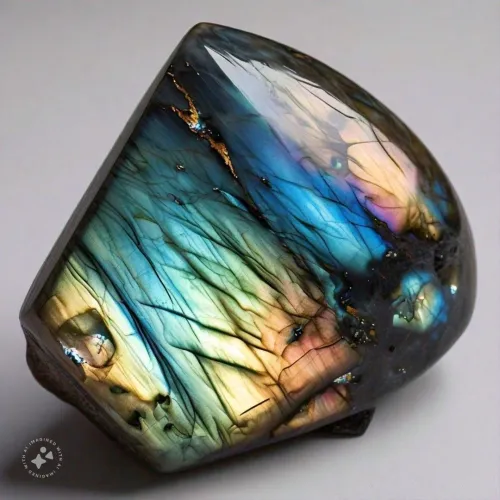
You're scrolling through home decor ideas when an image stops you—a shimmering blue-green stone glowing beside someone's computer. The caption mentions "labradorite for focus". Later, a yoga instructor wears a similar pendant. Curious, you search online and get bombarded with conflicting claims. This confusion is exactly why we've organized what actually matters about labradorite into a clear, actionable checklist. Instead of vague promises, we'll explore observable characteristics through real scenarios—holding it during video calls, noticing it on bedside tables, or comparing pieces during jewelry shopping. Each point will clarify how physical properties interact with human routines, helping you understand why this mineral attracts attention beyond its surface beauty.
Understanding labradorite's physical makeup helps interpret why it attracts attention. This section examines measurable properties you can verify when encountering the stone in stores or collections.
That signature color flash results from light diffraction within layered feldspar structures. Unlike surface reflections, this phenomenon involves light waves scattering through microscopic internal layers—a characteristic visible when moving the stone under consistent lighting, say under your desk lamp. Jewelry often shows this best with stones 5-15mm thick, since that range optimizes light transmission for consistent iridescence. Notice how angles change the colors during handling—that’s physics, not healing magic.
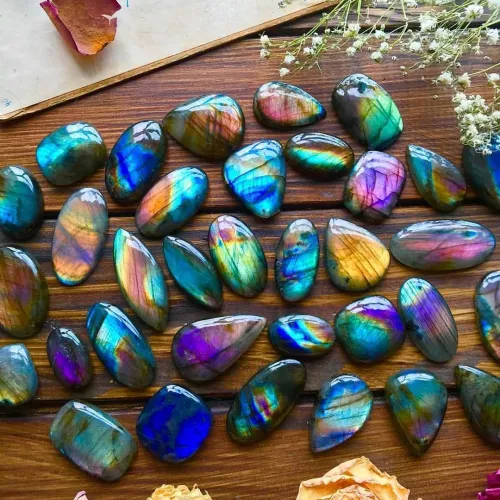
With a 6-6.5 on the Mohs scale, labradorite stands up moderately well to daily handling but requires thoughtful placement. Picture wearing a labradorite bracelet while gardening—while the stone can withstand regular contact, hard knocks might chip it. Its thermal stability prevents cracking in typical indoor temperatures (-10°C to 80°C), explaining why people comfortably place specimens near windows. Weight distribution matters too; palm-sized stones around 150-250g allow comfortable grip without fatigue during meditation routines.
Labradorite’s non-porous surface makes practical integration easier than porous stones. This property means it won't absorb skin oils that could cloud its appearance over time. At jewelry counters, this explains why tumbled pieces often feature rounded edges—manufacturers minimize abrasion without compromising the material’s integrity. Tumble-polished edges feel comfortable against skin during extended wear, preventing irritation.
Instead of metaphysical energy, consider how labradorite's visual traits may influence mood and attention through tangible experiences—like catching its colors from your peripheral vision while typing.
When placed on desks, labradorite specimens can create visual pause points during demanding tasks. The shifting play of colors may act as reset triggers when frustration builds—a natural cue to step away momentarily. This works because our peripheral vision responds strongly to movement and contrast changes. Those blue-green spectral patterns might temporarily refocus attention before returning to tasks. User observations often note such effects solidify after 3 weeks of daily exposure, suggesting habituation plays a role rather than spiritual activation.
During mindfulness sessions, labradorite’s weight and temperature become anchoring elements. Holding a smooth palm stone offers a physical reference point when racing thoughts intrude—the cool texture against skin acts as sensory feedback. Ergonomics matter here; oval-shaped pieces measuring 7-10cm fit comfortably in closed palms while avoiding strain during 15-30 minute sessions. The iridescence serves as visual anchor when eyes open briefly during sessions.
Notice conversations starting when wearing labradorite jewelry—its shifting colors naturally pique curiosity during coffee meetups. This provides social connection opportunities unrelated to "personal energy fields". In shared spaces like living rooms, a large decorative piece may become a conversation starter about travel stories or geological interest. The stone’s beauty sparks human interaction, not cosmic alignments.
How people incorporate labradorite into daily life reveals more than speculative claims—whether resting it beside laptops or choosing pendant settings.
When choosing wearable pieces, prioritize form and comfort over perceived energetic qualities. Settings using hypoallergenic alloys prevent skin reactions during all-day wear—key to enjoying labradorite’s aesthetic consistently. Secure clasps rated for 5000+ open-close cycles withstand regular removal. Notice pendants vs. rings: pendants display full flash patterns better since they move freely, while ring stones show flashes intermittently with hand gestures.
Position labradorite where indirect sunlight crosses it, avoiding direct afternoon glare. Near-monitor placement creates subtle movement in your field of vision during computer work, potentially offering concentration anchors. A 1.5-2 meter viewing distance maintains visibility without distraction. Some find pencil-holder specimens useful for brief tactile reorientation—turning it during decisions while feeling its cool surface against fingertips.
Morning routines that incorporate tactile elements—holding a palm stone while contemplating priorities—offer concrete psychological transitions. The stone’s smoothness and thermal conductivity creates tangible ritual markers. Its non-porous surface allows safe indirect contact with essential oils—place a drop nearby rather than directly applying if including aromatherapy elements.
Combining labradorite with other materials involves practical design considerations rather than spiritual synergies.
Labradorite pairs attractively with warm-toned settings: copper prongs enhance its blue flash, while plain sterling silver bands avoid clashing patterns. When displaying multiple stones, position it beside unpatterned minerals like obsidian—the visual stillness contrasts with labradorite’s movement. Table pieces sometimes include small quartz chunks to reflect light onto labradorite surfaces, increasing flash visibility indoors.
For long meditation sessions, balance concerns lead users to combine palm stones with seating comfort. Cushions and ergonomic supports become crucial partners to labradorite’s tactile and visual properties. When storing multiple stones, individual fabric pouches prevent surface scratches—linen or microfiber protects surfaces better than direct velvet contact.
Lighting choices dramatically affect labradorite interactions—cool white bulbs intensify blue flashes, while warm lighting mutes greens. Strategic lamp placement creates changing effects as your position shifts. Display stands with 15-30° angles optimize flash visibility without direct overhead glare.
Sustaining labradorite’s appearance involves basic maintenance anyone can handle without special preparations.
Monthly rinsing under lukewarm running water removes dust accumulation—its non-porous surface ensures quick drying. Pat-dry (don’t rub) with microfiber cloths to maintain surface luster. Avoid ultrasonic cleaners and harsh detergents; mild soap suffices for occasional deep cleans when fingerprints appear.
Display cases should avoid constant UV exposure from south-facing windows. Moonlight charging concepts actually stem from avoiding bleaching effects—indirect evening light preserves vibrant colors without technical disadvantages. Drawer storage offers protection when displaying other collections seasonally.
Treat labradorite similar to glassware: wipe jewelry before sweating activities, and cradle palm stones rather than gripping tightly. Check settings every 6 months for prong security—a practical ritual accompanying seasonal wardrobe shifts.
Next time you encounter labradorite—whether shop browsing or reopening your jewelry box—focus on these tangible aspects: Watch color shifts at 45° angles under normal lighting; consider how comfortable 150-250g palm stones feel during activities; note hypoallergenic settings’ role in wearability. These physical interactions reveal more than abstract theories ever could.
Q: Does labradorite require special spiritual cleansing?
A: Its maintenance involves only physical cleaning. Periodic rinsing under water maintains its appearance without ritual components.
Q: Can it help with sleep?
A: Some find placing it as a visual focal point provides psychological wind-down cues, comparable to watching fish swim in tanks before bed.
Q: Why does jewelry vary in flash visibility?
A: Stone thickness, cut angles, and viewing distance dramatically affect visibility independent of perceived "quality". Testing movements often shows hidden flashes.


$
