Labradorite is a mesmerizing feldspar mineral formed through the interplay of specific geological forces, where high-temperature conditions, sustained pressure, and geological timescales create its signature iridescence. Its value derives from the intensity of its color play and structural integrity, directly reflecting the precision of these natural processes.
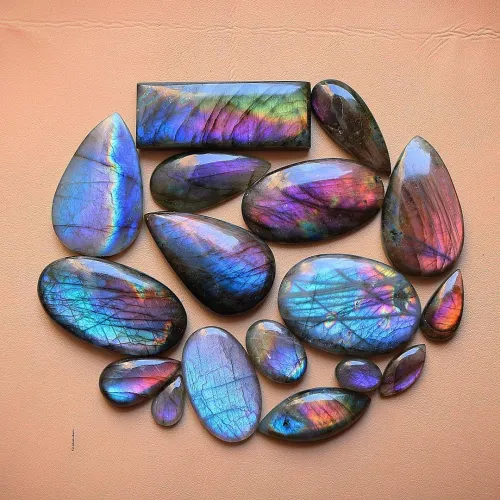
Picture yourself browsing a local lapidary exhibit when a stone winks at you with electric blue streaks beneath its gray surface. As you ask the vendor about this phenomenon, they mention "labradorescence," leaving you wondering how rocks develop such otherworldly color. The explanation involves complex geology, but understanding it requires more than textbook definitions—it needs a practical framework. This guide organizes that knowledge into actionable focus areas, giving you clear reference points to decode labradorite's story when you next visit a mineral show or examine jewelry.
Understanding labradorite's origins transforms how you evaluate pieces in stores. These fundamentals reveal why authentic specimens show particular characteristics, helping you spot inconsistencies in lesser-quality stones where formation conditions weren't optimal.
Imagine magma cooling like thick honey left on a winter windowsill. The crystalline structure emerges gradually as intermediate igneous rocks solidify over centuries, with parallel mineral layers aligning during crystallization. This patient development allows the signature "schiller effect"—sunset-like color reflections caused by light diffraction between those microscopic layers. Formation temperatures typically range between 700°C to 1000°C depending on depth and regional geology, creating variations even within single deposits.
Picture continental plates grinding together over millennia. These slow-motion collisions generate sustained compression, providing the consistent pressure required for mineral exsolution—the process causing layered formations within the stone. Trace elements like copper or iron become trapped during crystallization, later influencing iridescence hues in finished pieces. Deposits larger than 10 cm often display more complex chromatic patterns because they underwent slower cooling cycles, allowing fuller crystal development.
Learning to read labradorite's visual cues helps bypass marketing hyperbole in boutiques. When you notice these indicators, you're witnessing direct evidence of geological events millions of years past.
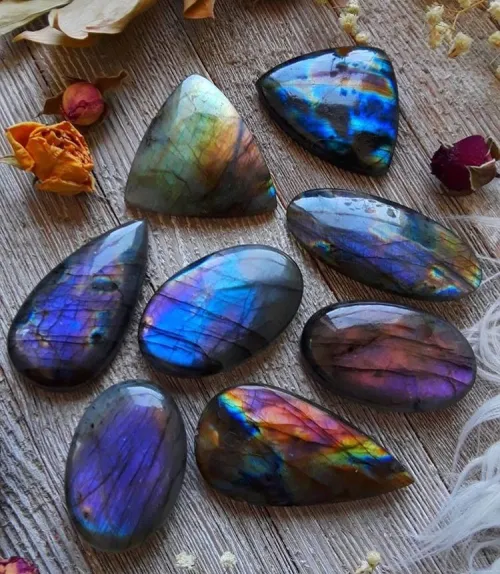
A friend once showed you her labradorite pendant, exclaiming how its colors shifted from violet to gold when she walked between rooms. This chameleon effect stems from light diffraction patterns within the stone's internal layers. Quality correlates directly with color intensity and range across lighting conditions—high-grade pieces maintain vibrancy even in shadow. Notice how:
Recognizing the intersection between geological constraints and human intervention reveals why some labradorite pieces maintain brilliance for decades while others dull quickly.
When miners extract raw labradorite, they confront distinct cleavage planes demanding careful orientation. Diagonal breaks can cause material weakness, so industrial diamond blades cut parallel to natural fracture lines. Extraction sites require verification of non-exploitative labor practices—ethical concerns impacting craftsmanship integrity when stones change hands multiple times before reaching workshops.
Picture artisans examining a rough slice under angled light to identify optimal cleavage planes. Cabochon shaping then follows these natural fracture patterns to maximize color visibility during cutting. Surface polishing involves an intricate dance with the stone's Mohs hardness (6-6.5), using graduated abrasives from 220 to 3000 grit. This polishing technique enhances diffraction without overheating sensitive internal structures.
Understanding labradorite's physical properties informs daily care decisions, revealing why museum pieces remain vibrant for generations.
Light behavior dictates how jewelers position labradorite in settings. The stone's multi-directional iridescence requires thoughtful rotation during setting so primary colors face outward when worn. Jewelry designs may include protective settings around cleavage-sensitive edges, minimizing impact damage during wear while allowing light penetration from multiple angles to interact with internal layers.
Consider how temperature stability preserves structural integrity. Sudden thermal shifts—like placing jewelry near heaters—may propagate microfractures due to limited thermal shock resistance. Regular cleaning with mild soap avoids ultrasonic cleaners that could damage internal structures over time. Occasional professional re-polishing addresses accumulated micro-abrasions, maintaining the surface clarity needed for full light diffraction.
When you next browse gemstones or examine your own labradorite jewelry, keep this distilled framework in mind: First, observe color play patterns—their uniformity reveals formation stability. Second, note surface polish level which indicates artisan skill. Third, consider settings protecting vulnerable cleavage planes. This observational triad connects the dots between raw mineral formation and wearable art.
When you see labradorite in shop displays tomorrow, pause and consider its journey. Notice how internal fractures create rainbows reminiscent of ancient geological forces—the heat from continental collisions, the weight of miles-thick rock layers. Let understanding deepen enjoyment: each tilt sending blue-and-green flashes through the stone mirrors light hitting mineral layers aligned over eons. Suddenly, you're not just observing a stone but reading Earth's memoir written in crystal.


$
