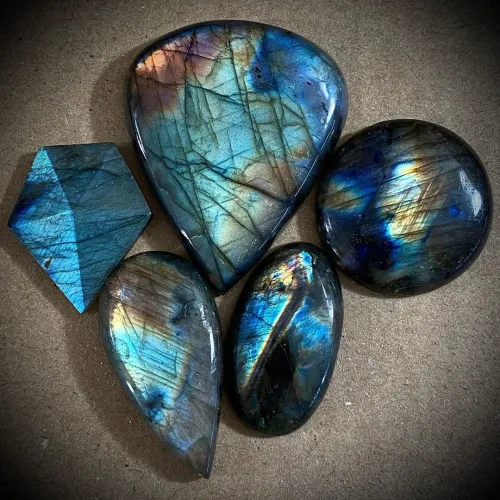
Ever browsed gemstone shops noticing how people linger longest at the labradorite display? That moment of fascination—fingering a stone that shifts between blues and greens as you tilt it—often sparks talks about its rumored good fortune. But concrete answers get cloudy when sales pitches mix with folklore. We've condensed the essentials into clear reference points to cut through the noise. Next time you see these color-changing stones, you'll know exactly which scientific and practical details deserve a first look.
This section separates cultural narratives from mineral realities, helping you recognize how perceived meaning connects to observable properties rather than supernatural claims. Understanding this distinction prepares you to spot authentic stones versus misrepresented ones.
Imagine a friend finding a tumbled labradorite piece after a tough month. As sunlight hits its surface during coffee talk, you both watch blues flash across the table. "Feels like a hopeful sign," they remark. That sense of renewal ties directly to labradorescence—spectral colors caused by light bouncing between microscopic mineral layers. Human brains naturally associate unexpected beauty with positive change, which may explain centuries of lore suggesting these stones attract opportunities. While no scientific evidence proves outcome alteration, the psychological uplift from witnessing its color play can indeed reframe perspectives during daily challenges.
Picture overhearing someone claim their labradorite pendant "protected" them during travel mishaps. Before accepting such tales, notice what’s physically occurring: The stone’s lightweight material allows comfortable, all-day wear without fatigue. People may subconsciously associate this ease with shielding properties. Its stable composition also resists tarnishing that dulls other minerals, maintaining vivid flashes that constantly reaffirm positive feelings. Rather than supernatural guards, consistent visual appeal fosters mental focus—a plausible explanation when apparent luck coincides with its usage.
Tracking tangible details helps assess if a stone meets personal expectations. Whether purchasing or using existing pieces, these focus areas reveal functional realities behind energy-themed claims.
A friend’s desk shows labradorite beside their keyboard—not because they believe in crystals, but because that morning flash from their lamp sparks five mindful breaths before stressful emails. The perceived mood shift comes from how we interact with its properties. The internal fractures that scatter light need specific angles to perform best. Positioning stones in high-traffic spots where light naturally catches them may enhance those refreshing visual breaks. Such arrangements work with optical physics: Cutting orientation during polishing maximizes reflections, so well-placed stones literally shine brightest.
When browsing stores, overhear shopkeepers discussing inventory care. "See how this batch almost glows?" one remarks, pointing to stones cleaned with pH-neutral solutions avoiding ultrasonic machines. That vibrant appearance indicates well-preserved internal layers reflecting light efficiently—what sellers sometimes describe as "strong energy." Compare stones under consistent lighting: Deeper base colors often intensify flashes, while visible surface cloudiness suggests luster degradation that may soften the effect. Quality checks focus entirely on material integrity, with pristine stones delivering the most dramatic visual impact.
Picture chatting with travelers swapping stories: One mentions Finnish designers using labradorite in jewelry for its aurora-like hues, while another recalls indigenous teachings viewing the stone as frozen northern lights. Global interpretations vary, yet they consistently tie back to its light interactions. Unlike minerals that require specific chants or rituals, labradorite traditions center on practical appreciation of its natural spectacle—where symbolism emerges directly from its scientific properties. Understanding the physical roots of these traditions helps recognize universal human responses to natural beauty.
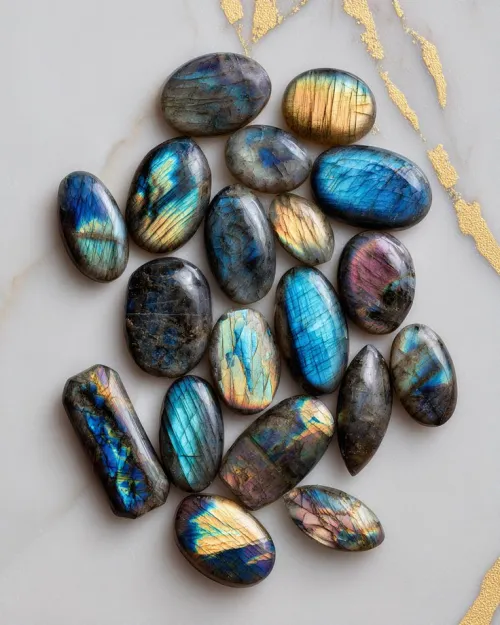
Protecting labradorite’s structure maintains the visual experience that inspires positive feelings. These care guidelines prevent damage to delicate internal features.
Your neighbor admires her grandmother’s labradorite ring still flashing after decades—not by chance but through cloth-pouch storage when not worn. Gentle care preserves fracture patterns vital to labradorescence. Surface scratches from harder objects in jewelry boxes can dim light reflection, so separate compartments prevent hardness-related damage. During cleaning:
Remembering three core aspects lets you navigate labradorite conversations wisely: Notice the scientific basis for its flash effect (light interference in mineral layers), recognize practical approaches to preserving its appearance (gentle care and protective settings), and interpret symbolic stories as cultural reflections of its visual impact. When encountering "lucky crystal" claims, let your primary focus settle on the actual physics-based spectacle that makes each piece remarkable.
Q: Does bigger size increase perceived effects?
A: Larger surfaces can broaden reflective area, but even palm-sized stones may display vivid flashes if internal structures align properly during cutting.
Q: How does moonlight cleansing work?
A: Moonlight exposure relates to gentle drying; indirect ultraviolet light poses minimal risk while satisfying traditional practice preferences.
Q: Are rare colors more potent?
A: Certain flashes like cobalt blue or peacock green tend toward higher value evaluations but share identical optical origins with common color variants.


$
