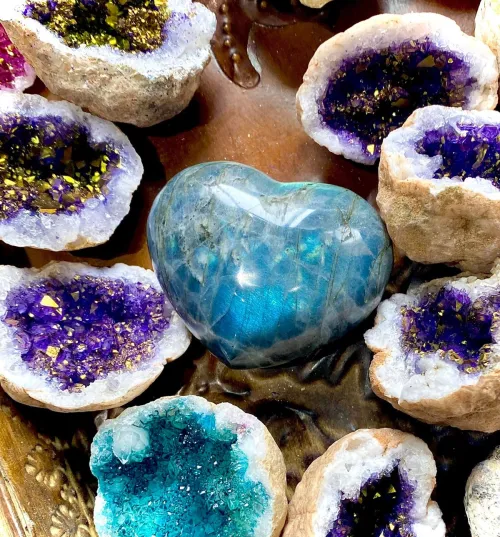
Picture this: You're browsing online for gift ideas during the holiday rush, drawn to a stunning holiday jewelry set featuring labradorite stones. You wonder why some combinations look perfectly festive while others clash or feel uncomfortable to wear. Moments later, scrolling through a store display, you spot mismatched stones that seem out of sync. Sound familiar? With the dizzying array of options and terminology, it's easy to feel overwhelmed by conflicting advice. That's where this checklist comes in—it's designed to cut through the noise and give you the key elements to look for, turning those holiday jewelry hunts from a guessing game into a smooth, enjoyable process. You'll get clear, visual pointers to make smarter choices, whether you're designing a set yourself, choosing a gift, or just admiring a piece. Let's dive into the essentials, so you're equipped with practical knowledge for the next holiday showcase or online order.
This section helps you focus on what makes a pairing work, ensuring you don't overlook basics like material authenticity and structure. Paying attention avoids costly mistakes—say, buying a piece where stones clash or wear poorly—and sets a solid foundation for creating holiday collections that feel festive and last seasons. Instead of getting lost in abstract terms, we'll break it down through simple stories and actionable points.
Combining stones like labradorite starts with using durable, gem-quality materials to maintain authenticity, meaning you're working with genuine elements that hold up to festive wear. This tends to involve selecting stones with balanced structural placements to reduce potential damage, ensuring pieces stay secure even during lively holiday events where jewelry may need to withstand bumps or temperature changes. Picture trying on a piece at a local boutique; if the stones feel loose or uneven, it may signal weak arrangement. Always check for this stability in sets, as well-arranged stones can prevent scratches and maintain integrity based on their positions.
Both matter equally. Achieving vibrant holiday looks often involves creating color palettes that are intentionally balanced for visual cohesion. In background practices, such as when unwrapping a gift set, you might notice colors like blue labradorite blend beautifully with complementary stones. Behind this, technical tests focus on weight distribution for all-day comfort, so pieces feel light but durable during prolonged gatherings. Think of a time you shifted a necklace and felt it pull—good design may distribute weight to avoid this, using stones with similar hardness to prevent abrasions.
Mastering selection principles prevents common pitfalls, like mismatching stones that cause imbalance, for more joyful holiday moments. Why isolate this? Many people prioritize appearance alone, missing how compatibility influences long-term use. Let's explore through relatable experiences.
Choosing stones involves ensuring compatibility checks on gem hardness to prevent scratching and guarantee wearability throughout the festive season. This process can be observed when reviewing a design with friends—for instance, debating whether a softer stone pairing lasts months later. Technically, such checks stem from durability tests addressing temperature resistance, so sets hold up to holiday elements like winter air near heaters. Visual alignment also matters; combinations generating tactile appeal through deliberate texture contrasts can make a piece stand out on holiday occasions.
Festive ensembles thrive when color palettes create seasonal harmony. Imagine examining labradorite earrings next to other gems: coordinated sets may balance bold and neutral tones for a cohesive look. Additionally, functional designs enable versatility for accessories, allowing sets to pair well with varied holiday outfits without feeling mismatched. Underlying this, surface treatments maximize brilliance without weakening materials, so you might see stones retain shine after multiple holiday dinners and photos.
This area equips you with hands-on methods to transform ideas into wearable holiday art, saving you from confusing assembly mistakes. Focus here because pairing can seem daunting, but step-by-step techniques turn it into a simple creative process. We'll recount familiar scenes to make it tangible.
Start with interchangeable pieces to offer adaptable styling for seasonal looks, such as when designing a bracelet where stones can be rearranged for different holiday themes. In practice, as you might recall from unpacking a set, closures and settings are crafted for ease, enabling adjustable sizing for preferences. Technically, arrangement facilitates straightforward cleaning using safe solutions, so maintenance is hassle-free after festive gatherings with food or drink.
Sets should coordinate for multiple events, from casual parties to formal celebrations. For example, swapping stones in a labradorite pendant may refresh an outfit. Durability comes into play with materials incorporating resistant elements to handle holiday fluctuations: ethical sourcing often influences cost, reflecting craftsmanship that may preserve quality over time, avoiding pieces that tarnish after one season. Remember, timeless aesthetic choices can ensure sets stay relevant year after year.
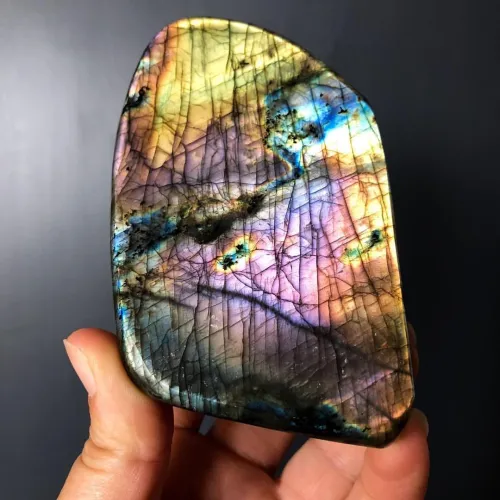
Spotting indicators of harmonious combinations means you'll stop wasting time on flawed sets and enjoy festive pieces that feel right. This focus counters the urge to chase fleeting trends; instead, you'll identify lasting quality. Relate it to everyday moments.
Harmony is achieved through thoughtful size and cut matching, where stones align visually without clashing. When shopping or handling jewelry, you might notice how balanced arrangements create a unified look. Behind this, weight distribution is designed for comfort during long festivities, so pieces don't cause fatigue at holiday gatherings. Surface treatments also maximize brilliance safely, keeping stones eye-catching even after seasonal use.
Long-term value can be seen in sets with high material quality that resist damage through durability tests. Imagine comparing pieces post-holiday: those with simple cleaning steps retain luster better. Additionally, packaging with secure storage may prevent dust or impact damage, often a sign of thoughtful holiday design that considers seasonal storage challenges.
For your next holiday shopping spree, keep just three points in mind: focus on color balance for cohesive looks, verify gem hardness to avoid surface damage, and prioritize designs that integrate interchangeable stones for versatile seasonal wear. The next time you browse jewelry for a holiday party, pause and consider what you've learned about complementary textures and functional sizing—it could shift a quick glance into a mindful choice and make pairing an opportunity to create joyful, hassle-free festive moments for yourself and others.
Q: What colors pair best with labradorite in holiday sets?
A: Lab colors can complement stones like garnet or moonstone due to balanced palettes creating visually cohesive ensembles; look for combinations that may enhance festive themes through contrast or similarity.
Q: How do I ensure paired stones don't damage each other over time?
A: Perform compatibility checks on gem hardness ratings to prevent scratching; a paired set with closely matched materials tends to offer better wearability across seasons.
Q: Can sets be adapted for different holiday themes beyond the season?
A: Yes, sets with interchangeable pieces may provide versatile styling options, allowing you to adjust stones for varied seasonal looks like winter to summer events.


$
